If you’re using cannabidiol (CBD) products and filling out medical intake forms, you might wonder: Should I list CBD as a supplement? What exactly does it mean to disclose CBD use to your healthcare provider? With rising popularity, complex regulations, and quality concerns around CBD products, it’s important to understand how CBD fits into supplement disclosure and medical intake paperwork.
In this post, we'll break down the basics of CBD versus THC, the FDA-approved uses, the legal landscape set by the 2018 Farm Bill, the importance of Certificate of Analysis (COA) testing, and why transparency matters when you tell your provider about CBD. We’ll also mention trusted companies like Joy Organics, known for their commitment to quality and transparency.
Understanding CBD Basics: What It Is and How It Differs from THC
CBD is one of hundreds of compounds called cannabinoids found in the cannabis plant. Unlike THC (tetrahydrocannabinol), the cannabinoid responsible for marijuana’s intoxicating effects, CBD is non-intoxicating. This means that when you use CBD products, you won’t experience the "high" associated with THC.
Here’s an easy way to think about the difference:
- THC: Psychoactive, gets you high, regulated more strictly under controlled substances laws. CBD: Non-psychoactive, often marketed for wellness purposes, regulated as a dietary supplement or hemp product in many cases.
The non-intoxicating nature of CBD explains why so many people use it for everyday support, ranging from mild anxiety reduction to promoting sleep or general balance. However, it’s critical to recognize that while CBD won’t impair you like THC, it’s not completely risk-free—especially if you’re on other medications.
FDA Approval and Over-the-Counter (OTC) CBD Use: What You Need to Know
At present, the only FDA-approved CBD product is Epidiolex, a prescription medication approved for specific seizure disorders like Dravet syndrome and Lennox-Gastaut syndrome. This shows that CBD can have therapeutic effects, but only under doctor supervision for these narrow conditions with pharmaceutical-grade products.
On the other hand, most CBD products available today, including those from companies like Joy Organics, are sold as supplements or hemp-derived wellness items. These OTC products are not FDA approved for disease treatment, and their potency, purity, and labeling accuracy can vary widely.
Why the distinction matters on medical intake forms:
Prescribed CBD: If your CBD use is through an FDA-approved prescription (like Epidiolex), that’s medication and absolutely should be recorded in your medical history. OTC CBD products: These fall more into the supplement category, so whether you list them depends on how your healthcare provider's intake form and policy define supplements and non-prescription products.The Legal Landscape: 2018 Farm Bill and THC Limits
The 2018 Farm Bill legalized hemp at the federal level, defining it as cannabis with less than 0.3% THC by dry weight. This created a market for hemp-derived CBD products that must adhere to the THC limit to remain federally legal.
However, state laws may vary, and enforcement can differ, contributing to confusion:
- Products with less than 0.3% THC are federally legal hemp products. Cannabis products over 0.3% THC remain federally illegal, though legal in some states. “THC-free” labeling is common but not always reliable without batch-specific lab testing.
This THC content affects what your provider needs to know. Even tiny amounts of THC can show up on drug tests, interact with medications, or affect eligibility for certain treatments. Therefore, disclosing your CBD use, including product details when possible, supports safer, informed care.
Why Quality Variation and Certificate of Analysis (COA) Matter
Since the OTC CBD marketplace is still largely unregulated, product quality can vary dramatically. Some products may contain more THC than allowed, contaminants (like heavy metals or pesticides), or inaccurate CBD levels listed on the label.
This is where Certificate of Analysis (COA) documents come in. A COA is a lab report from a third party verifying a batch’s cannabinoid profile and testing for impurities. Reputable companies like Joy Organics publish batch-specific COAs online, offering transparency and safety assurance.
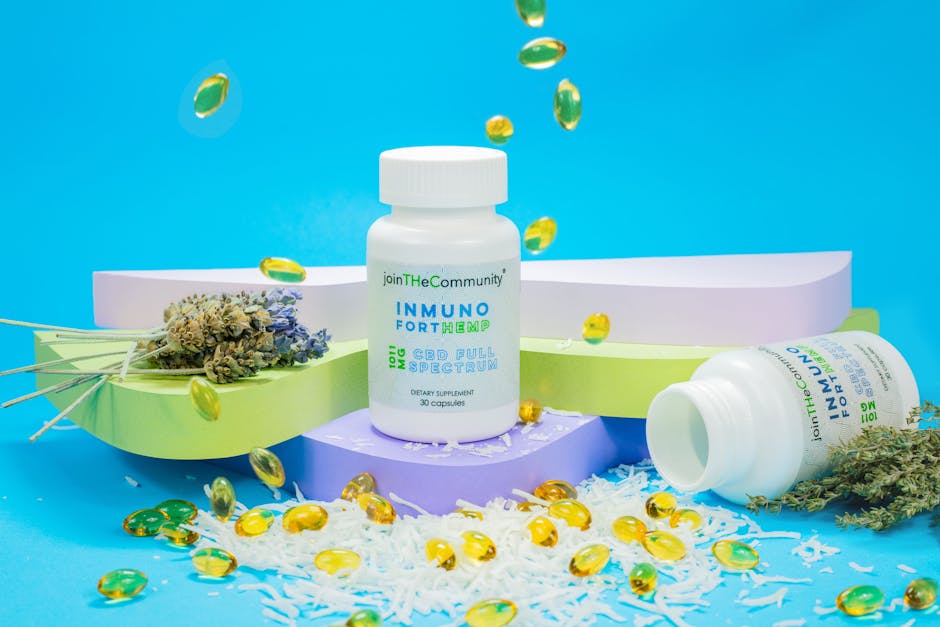
Before you decide to list a CBD product on your intake form, knowing your product’s COA can help you tell your provider exactly what you’re taking – whether it’s genuinely THC-free or contains trace amounts, CBD content per serving, and testing for harmful substances.
How to use COAs in supplement disclosure:
- Bring or submit the COA or product details to your healthcare provider if asked. Ask your provider any questions you have about potential interactions or effects based on the product’s cannabinoid profile. Verify that the product you’re using aligns with safe usage guidelines for your health condition.
How to List CBD on Medical Intake Forms: Best Practices
Most intake forms will have a section dedicated to supplements or over-the-counter products. Since CBD is often marketed as a supplement but derived from hemp with drug-like effects, it’s wise to include it when you:
- Are asked to list all vitamins, supplements, herbs, or alternative medicines you use. Have regular interactions with medications, to prevent drug interactions. Are being evaluated for symptoms that could be related to CBD effects (fatigue, changes in liver enzymes, etc.).
If you’re unsure whether the intake form’s “supplements” category includes CBD, there’s no harm in listing it separately under “other medications or substances.”
Sample wording you can use on forms or during disclosure:
- "CBD oil (hemp-derived, less than 0.3% THC, Joy Organics brand)" "Full-spectrum CBD tincture, batch COA available" "CBD isolate supplement, non-intoxicating" (Include approximate dose per day if possible.)
Why You Should Tell Your Provider About CBD Use
Telling your healthcare provider about CBD use is more than just following rules—it’s about safety and optimizing your care:

Remember, your provider’s goal is to help you safely achieve wellness—transparency about all substances you use, including CBD, enables that.
Summary Table: Should You List CBD on Intake Forms?
Situation Recommended Disclosure on Form Why Additional Notes Using prescription CBD (e.g., Epidiolex) List as medication A controlled, FDA-approved treatment relevant to your care Provide dosage and frequency Using OTC hemp-derived CBD products List under supplements or other substances CBD acts more like a supplement but may impact medications or symptoms Include brand name and if possible, batch COA details Not using CBD No disclosure needed N/A N/AFinal Thoughts: Transparency is Key
In the evolving world of CBD, the best approach is honesty and clarity. When you list CBD on your medical intake forms, you help your healthcare provider create a safer, more personalized care plan. Including details like brand (a good example is Joy Organics), product type, dosage, and access to a batch-specific Certificate of Analysis (COA) makes your disclosure even CBD dose 300 mg 600 mg studies more useful.
Remember, CBD https://highstylife.com/what-should-i-tell-my-clinician-so-i-take-cbd-actually-helps-them/ is not just “natural” or “risk-free.” It has real pharmacological effects and some legal complexity that demands careful attention. When in doubt, always ask your provider about your CBD use, and keep product lab results handy. Your health journey benefits from transparency, quality products, and good communication.